“Music without Borders” vol.2
Let us celebrate the music together
in the unique atmosphere of Sozopol, Bulgaria.
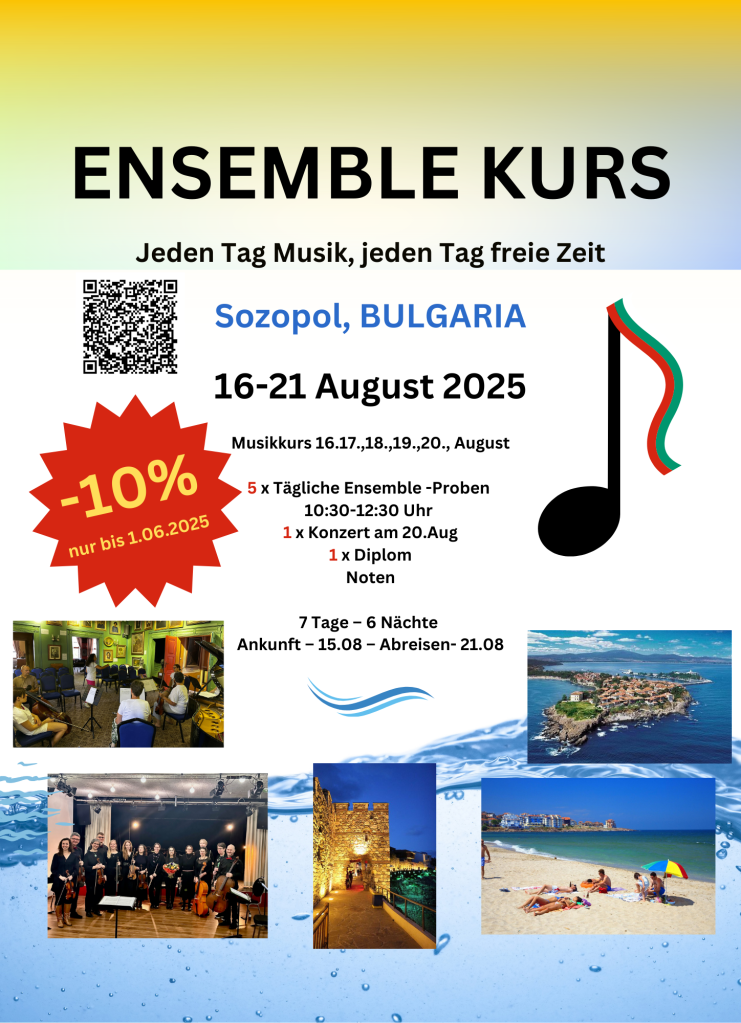
Orchestra course – ensemble:
One Week
5 x Daily rehearsals – 10:30-12:30 a.m.
1 x Concert
1 x Diplom
Music scores
Online registration deadline: JUNE 9th 2025
LAST CALL
Program
“Roses from the South” – Johann Strauss II
“Roses from the South” (Rosen aus dem Süden) is one of the most beloved waltzes by Johann Strauss II, composed in 1880. This elegant and melodious piece was originally derived from themes of his operetta Das Spitzentuch der Königin (The Queen’s Lace Handkerchief). With its flowing melodies, rich harmonies, and graceful charm, the waltz captures the romantic and joyful spirit typical of Strauss’ music. Roses from the South remains a favorite in concert halls worldwide, enchanting audiences with its warmth and timeless beauty.
J. Brahms – Hungarian Dance No. 5
Johannes Brahms’ Hungarian Dance No. 5 is one of the most famous pieces in his collection of 21 Hungarian Dances, composed between 1869 and 1880. Inspired by Hungarian folk music, this dance is particularly known for its lively rhythms, dynamic contrasts, and passionate character. The piece follows a fast-slow-fast structure, creating a sense of drama and excitement. Originally written for piano four hands, it was later orchestrated and arranged for various ensembles. Hungarian Dance No. 5 remains one of Brahms’ most popular works, frequently performed in concerts around the world.
F. Schubert – Ave Maria
Franz Schubert’s Ave Maria, composed in 1825, is one of the most famous and beloved sacred pieces in classical music. Originally titled “Ellens dritter Gesang” (Ellen’s Third Song), it was part of Schubert’s musical settings for Sir Walter Scott’s poem “The Lady of the Lake.” Over time, the melody became closely associated with the traditional Latin Ave Maria prayer. The piece is renowned for its serene beauty, flowing melody, and deep emotional expression. It has been adapted for various instruments and remains a popular choice for religious ceremonies, concerts, and recordings.
We arrange the music scores especially for the registered instruments, depending on your own level and difficulty. All sheet music parts and sheet music materials will be prepared after the registration deadline and sent by email by the end of June.
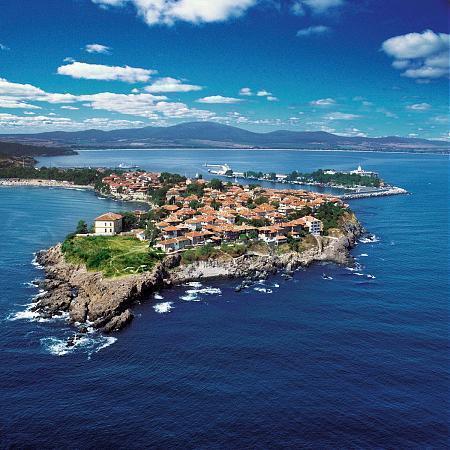
Sozopol, BULGARIA
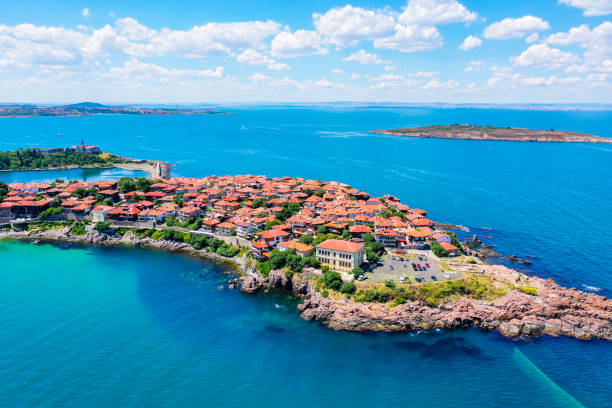
Sozopol is located on the southern Bulgarian Black Sea coast, 35 kilometers south of Burgas. The town stretches between the foothills of the Strandzha Mountains to the south and the Bay of Burgas to the north. Sozopol is divided into an old town and a new town. The old town is situated on the small Skamnij Peninsula, which is 200 meters wide, nearly two kilometers long, and lies ten meters above sea level. To the west of this peninsula is Sozopol Bay, while to the east lies Korenjata Bay.
The eight-hectare island of Sveti Kirik was connected to the Skamnij Peninsula until the turn of the era. It is located 250 meters northwest of the old town and has been linked to the mainland by an artificial causeway since 1927, technically making it a peninsula. The causeway connects the northeast of the island to the old town. Since the Sveti Kirik Peninsula was extended southwestward by a 400-meter-long breakwater, an artificial bay measuring 800 × 200 meters was created to the west of the old town. The bay facing the mainland is home to the fishing and yacht harbor.
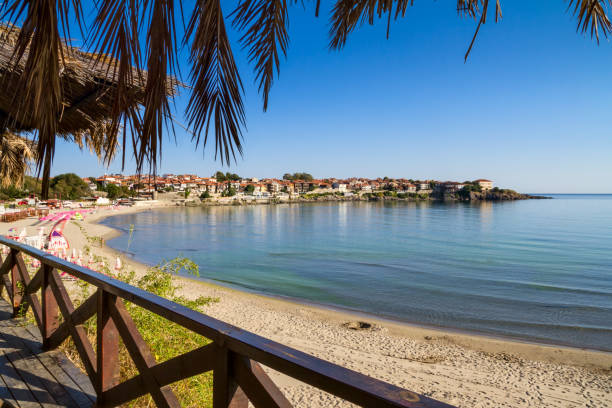
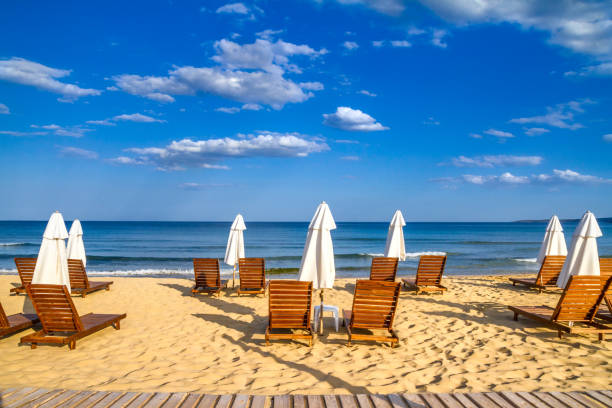
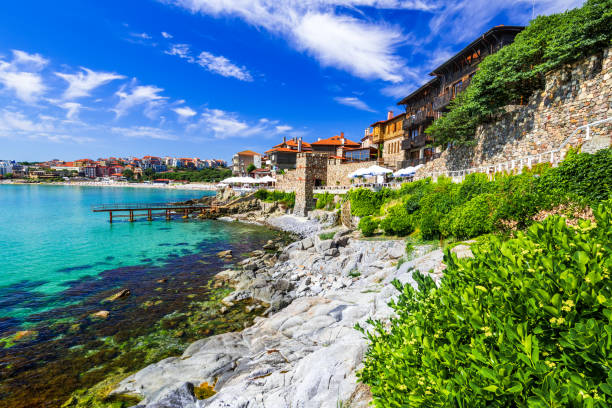
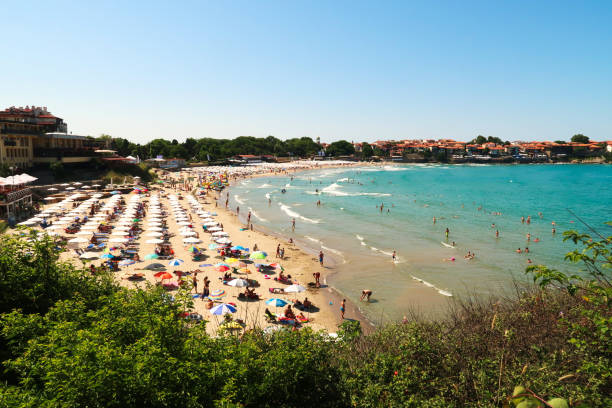
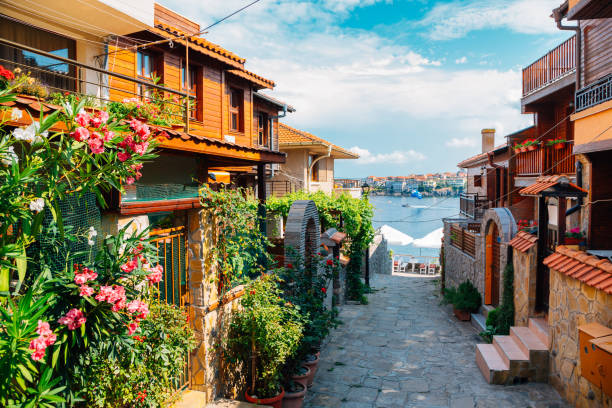

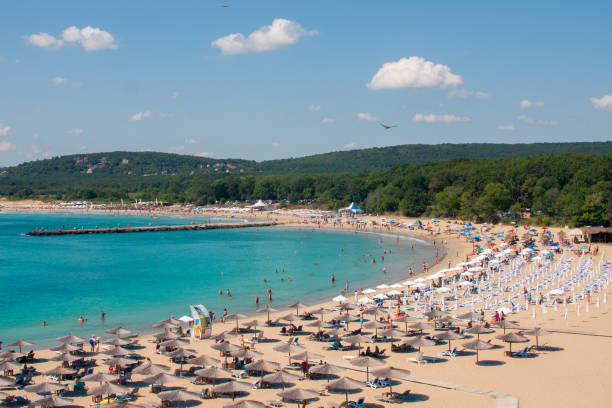

Since the early 1960s, Sozopol has expanded southward due to the growth of tourism. The new town of Sozopol and the most recent district, Charmanite, cover the coast of Korenjata Bay and the Budzhaka Peninsula. The latter is also popularly known as Germankata (“The German Woman”) after a German woman who had an accident there in 1959.
The old and new towns are connected by a land bridge, which was home to the city cemetery during the Middle Ages. This area has since been transformed into a park known as the Sea Garden. The Budzhaka Peninsula and Kavatsite Bay form the southern boundary of the city.
In Sozopol Bay, 1.2 kilometers north of the old town, lie the islands of Sveti Ivan and Sveti Petar. These two islands provide natural protection for the Sozopol anchorage against strong winds, a feature that was particularly valued by sailors in ancient times.
Source: Wiki
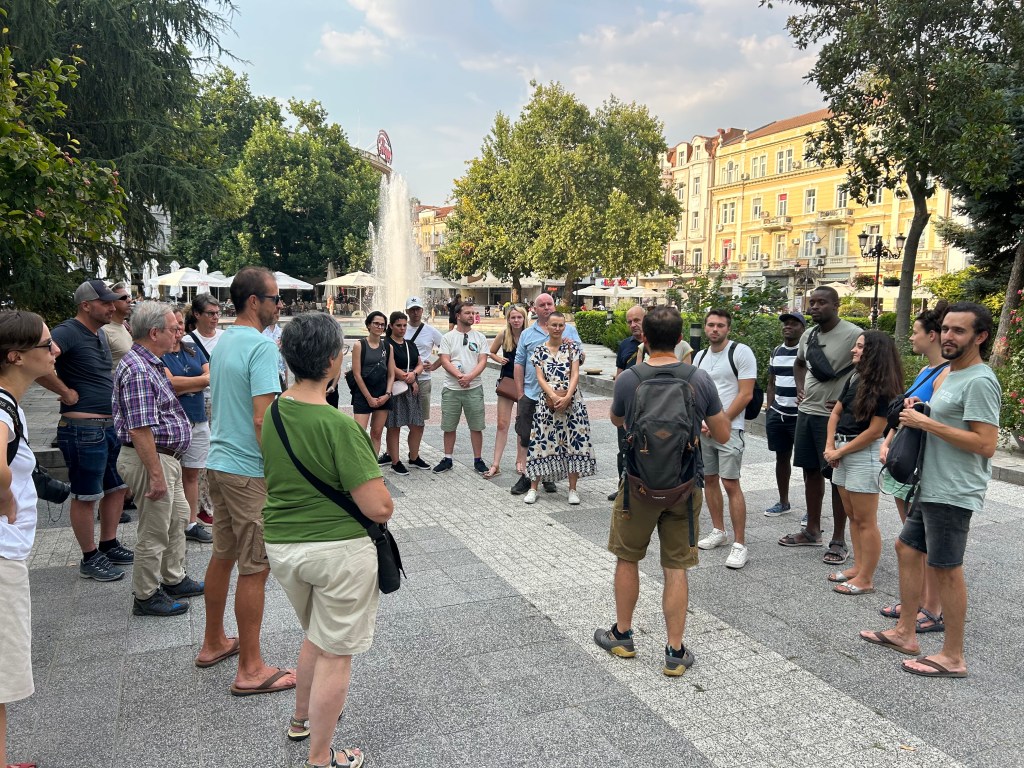
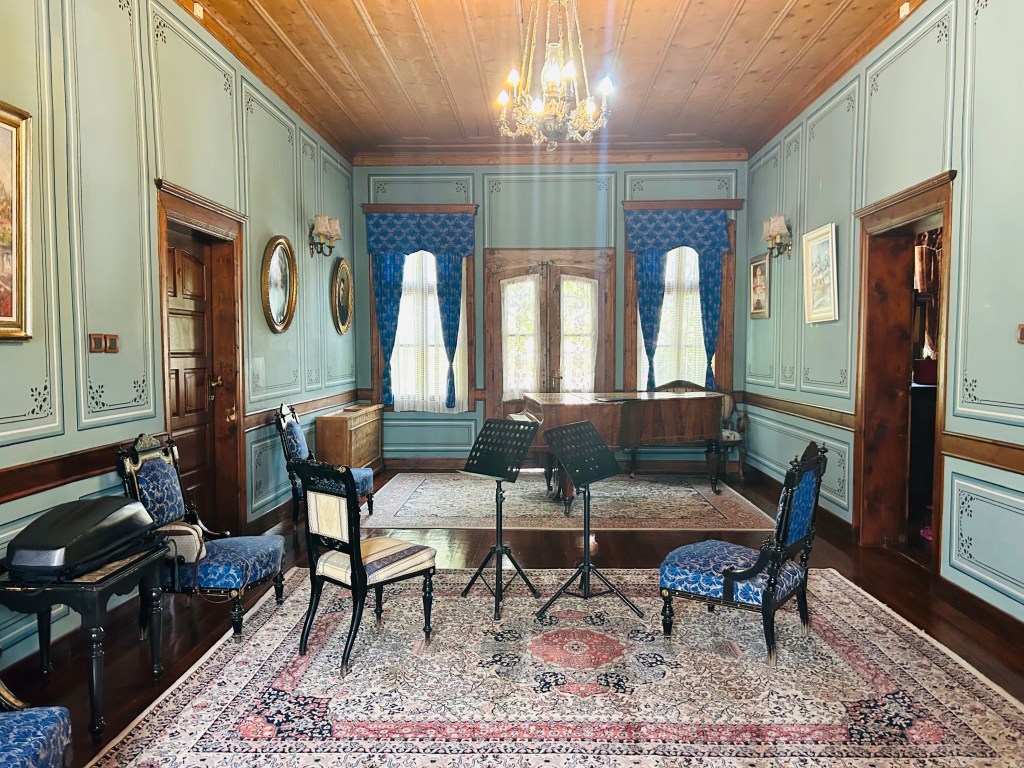
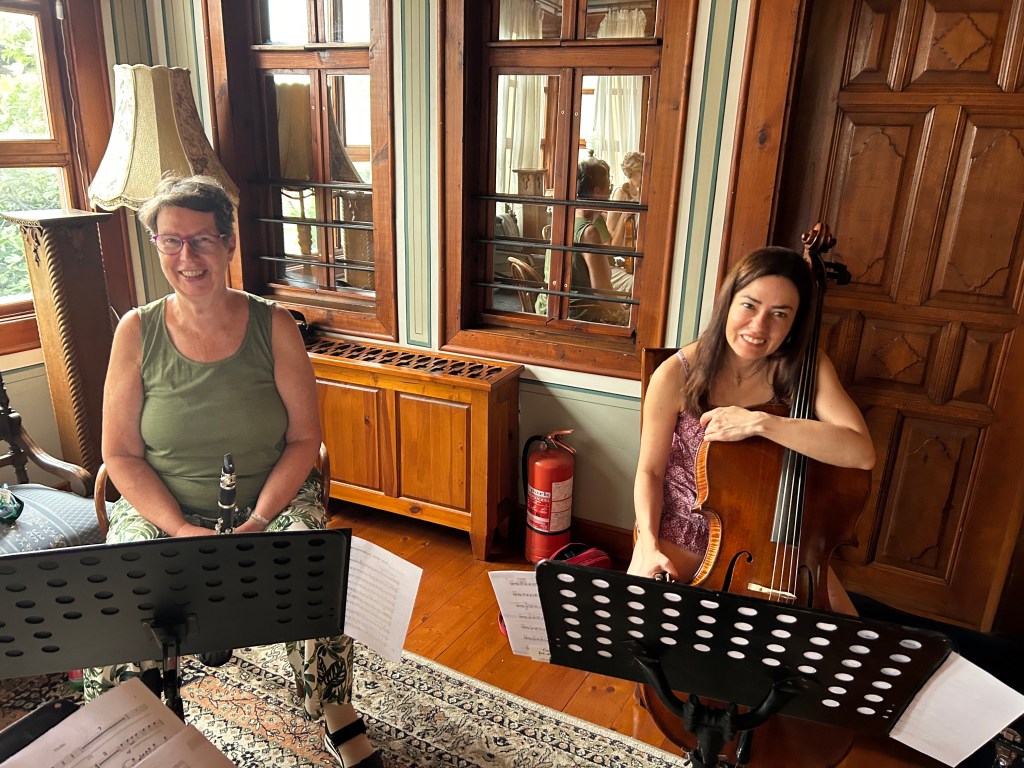
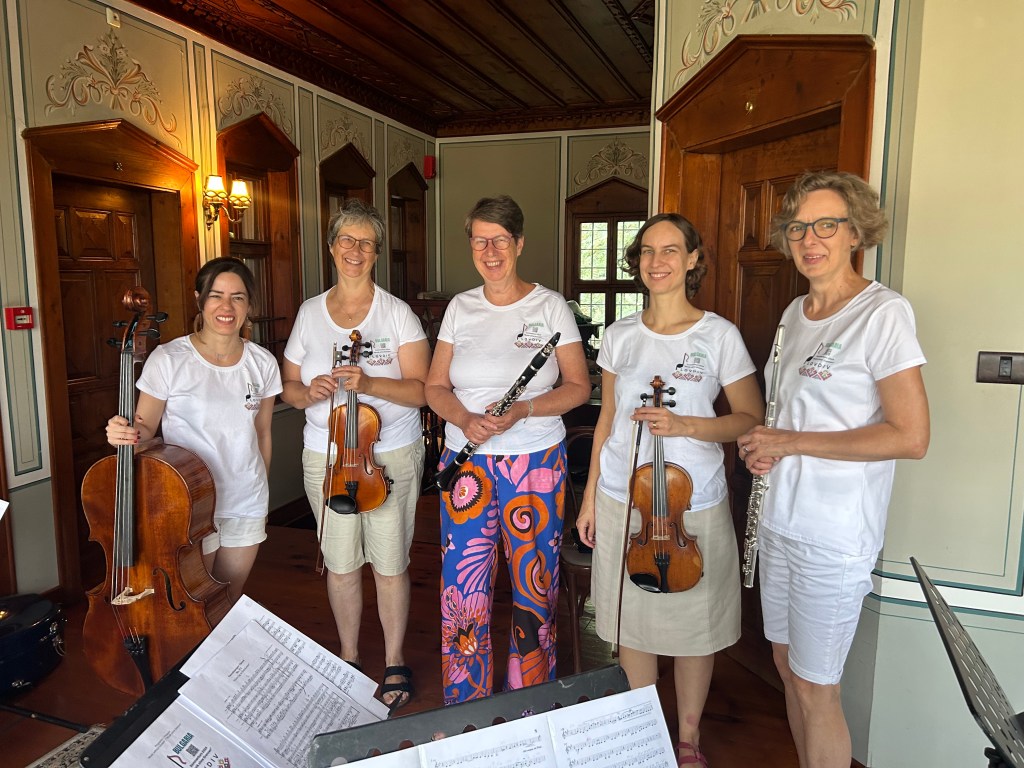
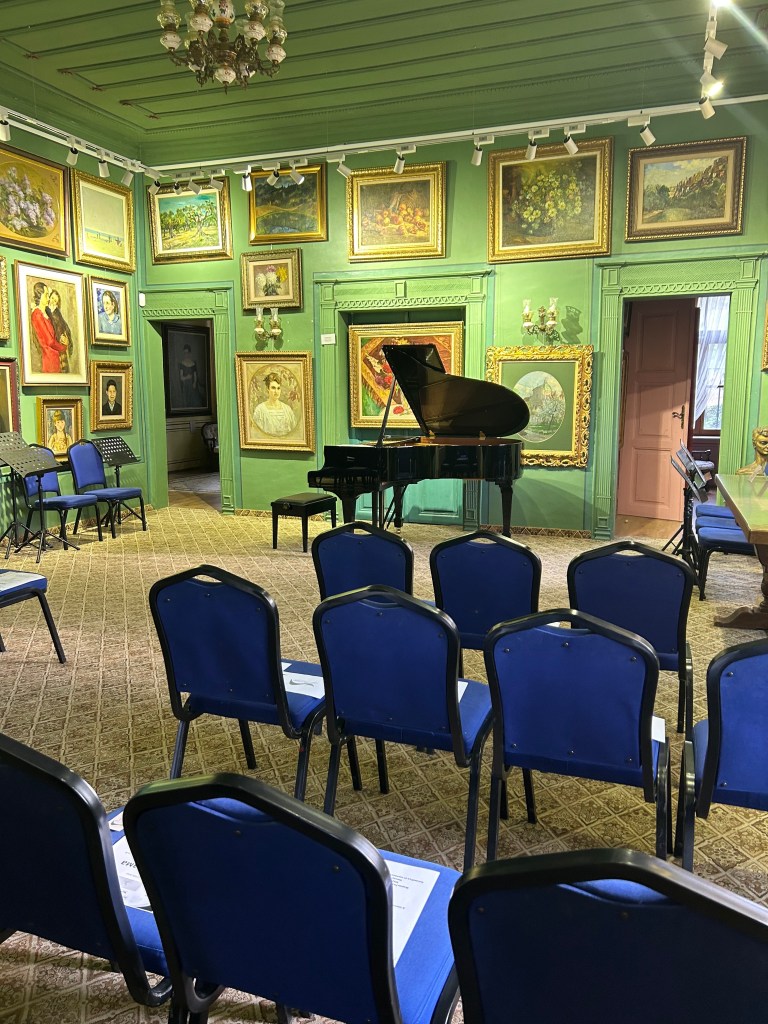
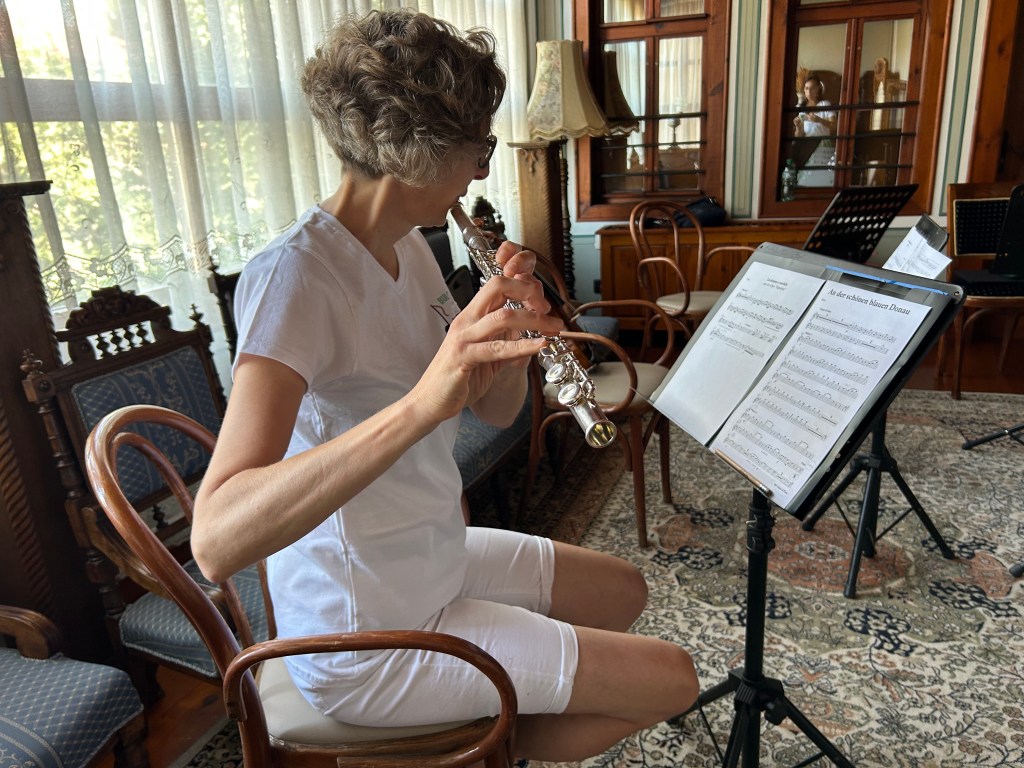
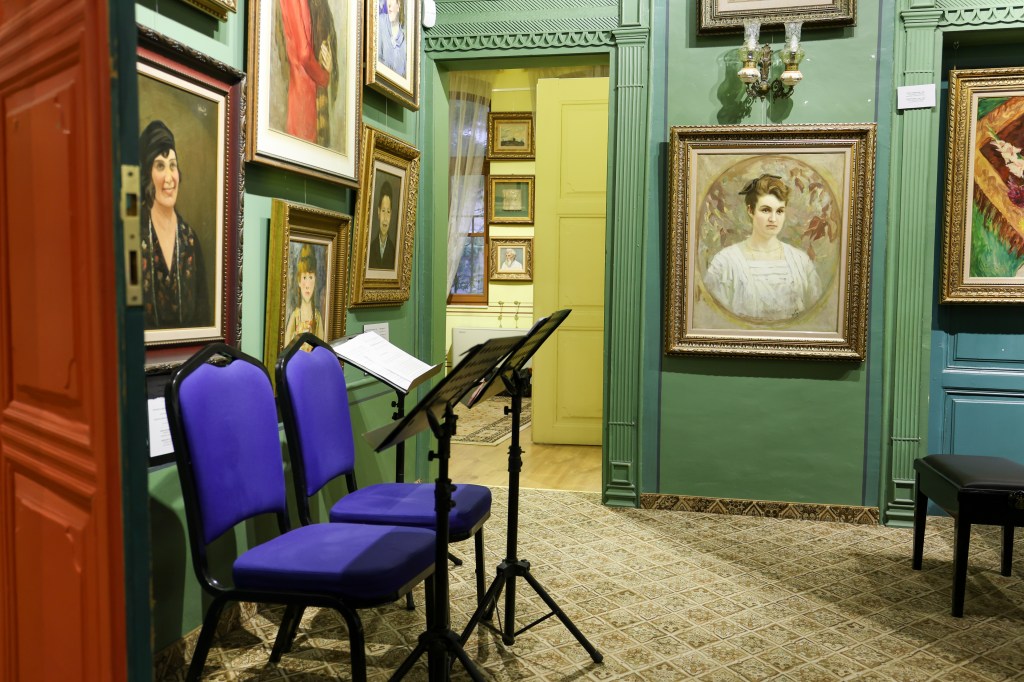
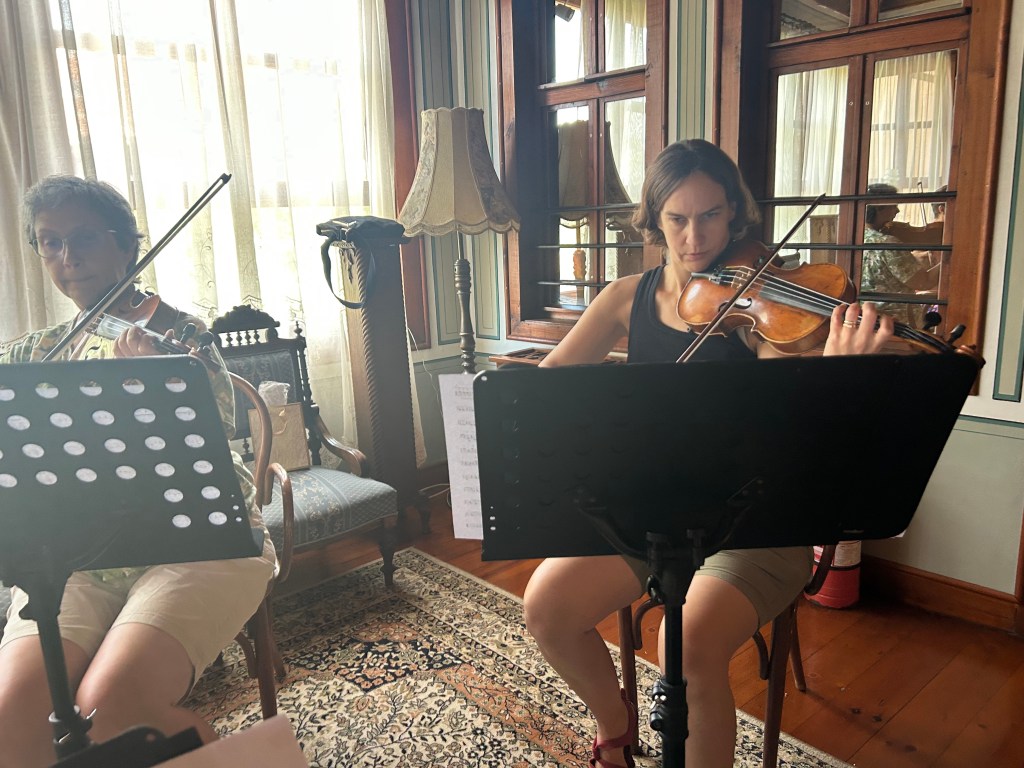
Archive 2024:
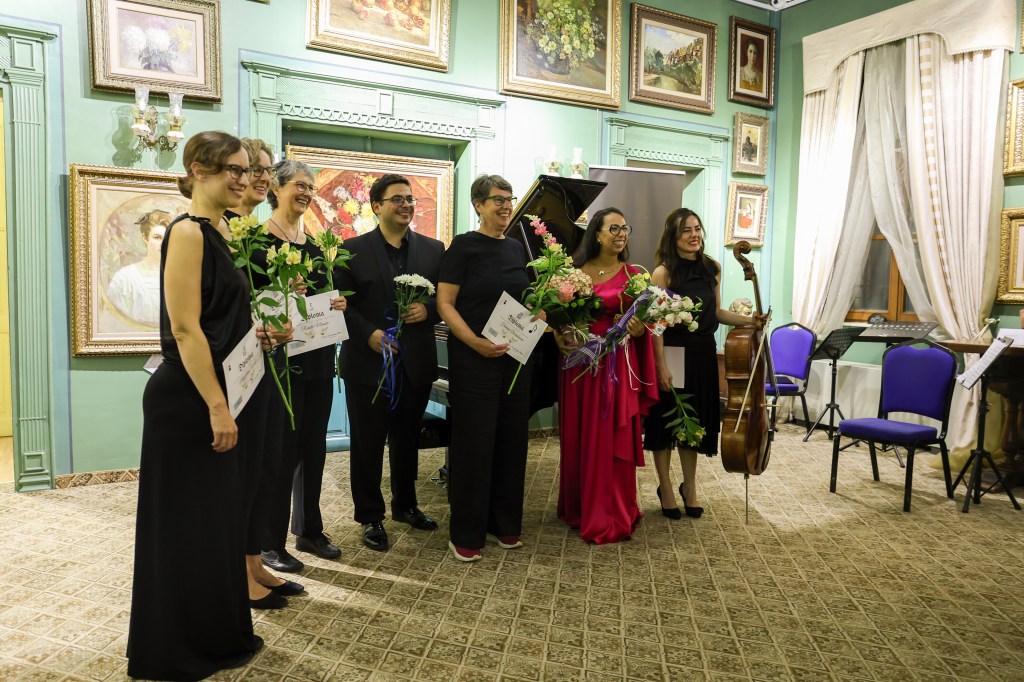
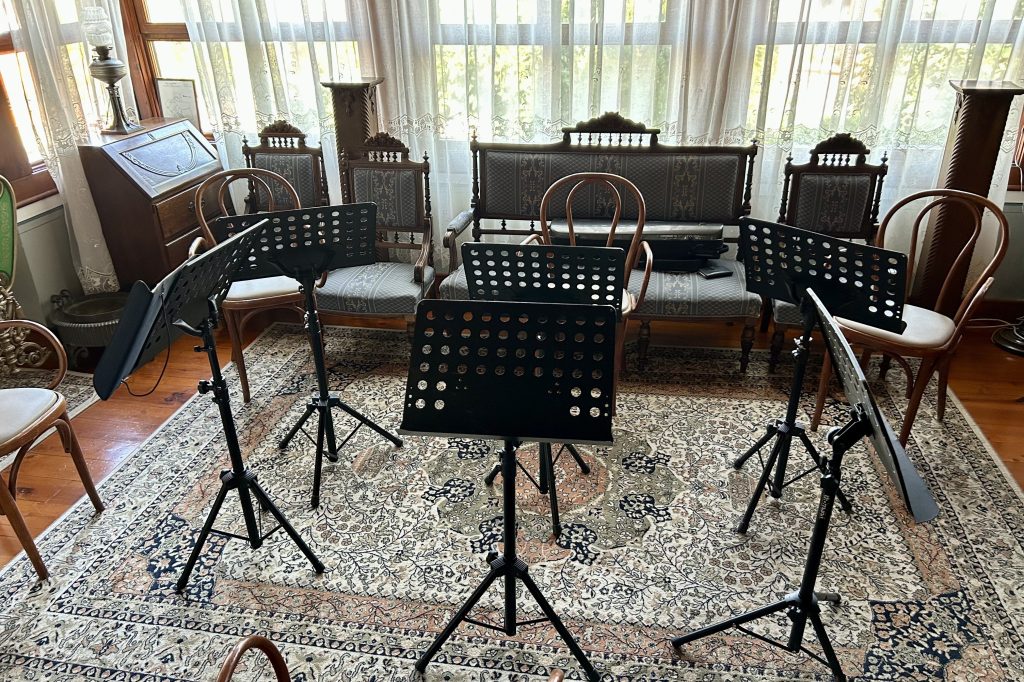
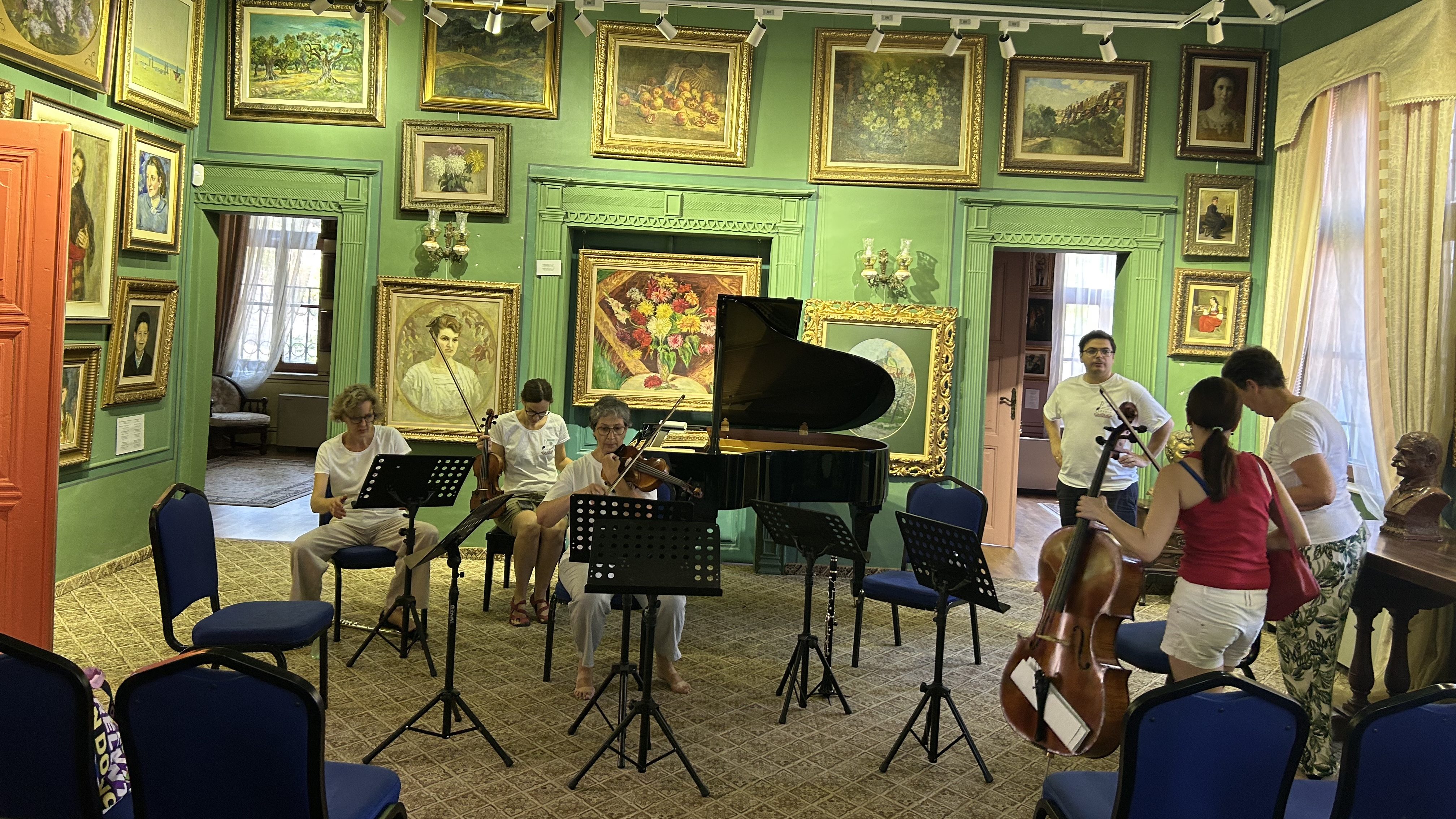
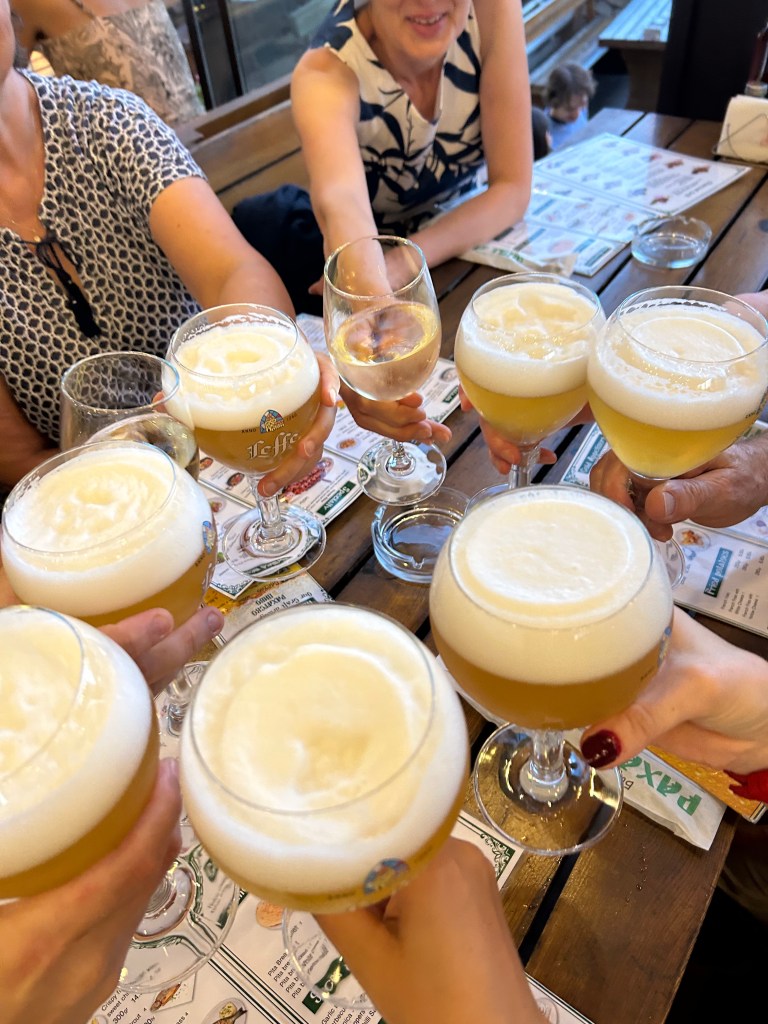
Accommodation Details
All participants are self responsible for their own accommodation. In case you didn’t find your place, we are ready to recommend some nice places:
- Hotel Villa List – 5 Stars – all inclusive base
- Family Hotel Alpha-Vita
- Apartments in Old Town – perfect for 2-4 participants / Family /
If you need any assistance for your stay in Sozopol, please write us!
Registration is considered complete only upon payment of the course fee.
ERSTE Bank, Austria
Name: Kulturverein Amadeusite
IBAN: AT08 2011 1829 8000 2200
BIC: GIBAATWWXXX
About: ” Ensemble Course Sozopol 2025/ Name/ Instrument“
Archive – “Music without Borders” Plovdiv 2024 – https://kulturvereinamadeusite.com/summer-music-course-in-plovdiv-bulgaria/

WE ARE
Kulturverein Amadeusite / Cultural Accociation Amadeusite
Wiener Strasse 33b, 2340 Mödling, Austria
If you like our projects, feel free to make a donation to our bank account. Your contribution will help us continue our work and create more art and musical events. Every donation, no matter the size, is greatly appreciated and makes a meaningful impact on the progress of our projects.
We are committed to create significant cultural projects, and your support plays a crucial role in making this possible. Thank you for considering a donation to our cause.
Bank account in EURO:
ERSTE Bank, Austria, Name: Kulturverein Amadeusite
IBAN: AT08 2011 1829 8000 2200
BIC: GIBAATWWXXX
About: ” Donation/ Spende”
You have questions? Please get in touch below:


 KULTURVEREIN AMADEUSITE